


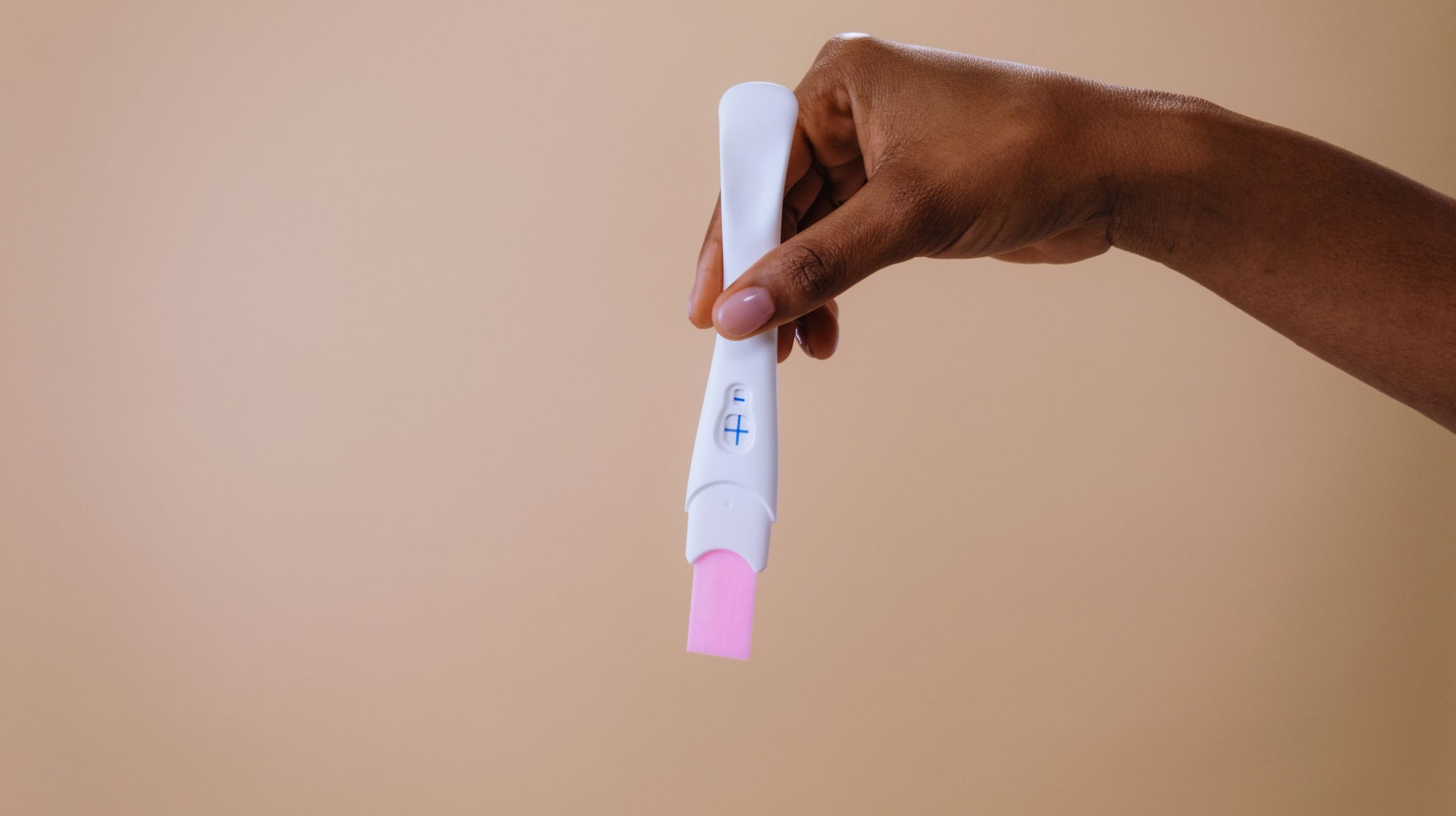
Can a Dietitian Support Fertility and Reproductive Health?
The foods you choose and your daily habits play a meaningful role in how your body functions — including your hormone balance and reproductive system. The Academy of Nutrition and Dietetics has noted that healthy eating patterns may support fertility in ways researchers are still uncovering. A well-rounded diet also helps prepare your body for a healthy pregnancy.
That said, there’s no single “fertility food” or magic fix. Extreme detoxes, supplements promising overnight results, and one-size-fits-all plans are typically not backed by science. What does help is a consistent, balanced eating pattern that supports your overall health — and that looks different for everyone.
A registered dietitian nutritionist can help you build a nutrition approach tailored to your body, your lifestyle, and your goals.
What causes infertility in women?
About one in five women ages 15 to 49 experiences infertility. If that’s you, you’re far from alone. Infertility often stems from a mix of physical and lifestyle factors, such as:
- Polycystic Ovary Syndrome (PCOS)
- Functional hypothalamic amenorrhea (FHA) — often tied to intense training, significant weight changes, or chronic stress
- Hypothyroidism, Hashimoto’s
- Nutritional gaps or unbalanced eating patterns
If you’ve been trying to conceive for a year or more, it’s worth checking in with your primary care provider to explore what might be going on.
What causes infertility in men?
Male infertility is equally common and can be influenced by medical factors as well as lifestyle ones. Sperm health — including count, shape, and movement — can be affected by alcohol or substance use, body weight, prolonged heat exposure, and environmental toxins.
How a Registered Dietitian on our team can help support your reproductive health:
Our team of registered dietitians works with clients across Massachusetts — remotely or in-person — to create personalized nutrition plans that support reproductive health.
Whether you’re pursuing natural conception or assisted reproductive technology (ART), we can help you make informed food and lifestyle choices that support your path. Good nutrition doesn’t just support conception — it can also reduce the odds of complications during pregnancy.
Here’s what working together looks like:
- We’ll look at your current eating patterns and daily routine.
- We’ll complete a full diet and nutrition assessment.
- We’ll develop targeted strategies for underlying conditions like PCOS, thyroid issues, metabolic concerns, or gut health.
- We’ll work toward a weight that supports your reproductive goals and complements any ART treatments.
- We’ll talk about movement — finding the right balance, since both too little and too much body fat can affect hormones.
- We’ll cut back on ultra-processed foods, which research has linked to lower fertility.
- We’ll build a plan that’s realistic for your schedule and sustainable long-term.
Several members of our team have been through fertility challenges and ART themselves. We know how overwhelming the misinformation online can be — and we offer a space where you can get clear, science-backed guidance without judgment.