


Gut Zoomer & Food Sensitivity Pinnertest ~ Boston, Massachusetts
Analyze your gut’s microbiome with the Gut Zoomer. Restore balance in your gut with our Full Gut Restoration Appointment Bundle. Reduce discomfort, bloating, gas, and diarrhea. Stop feeling sick. Reduce inflammation. Feel more confident with your food choices. Take control of your life. Identify the foods and beverages that might be causing your discomfort with the Pinnertest.
Food allergies are immune reactions to otherwise harmless foods. Responses are usually immediate and can be life-threatening. Symptoms include rashes, swelling, breathing difficulty, and light-headedness. If these occur, seek medical care right away.
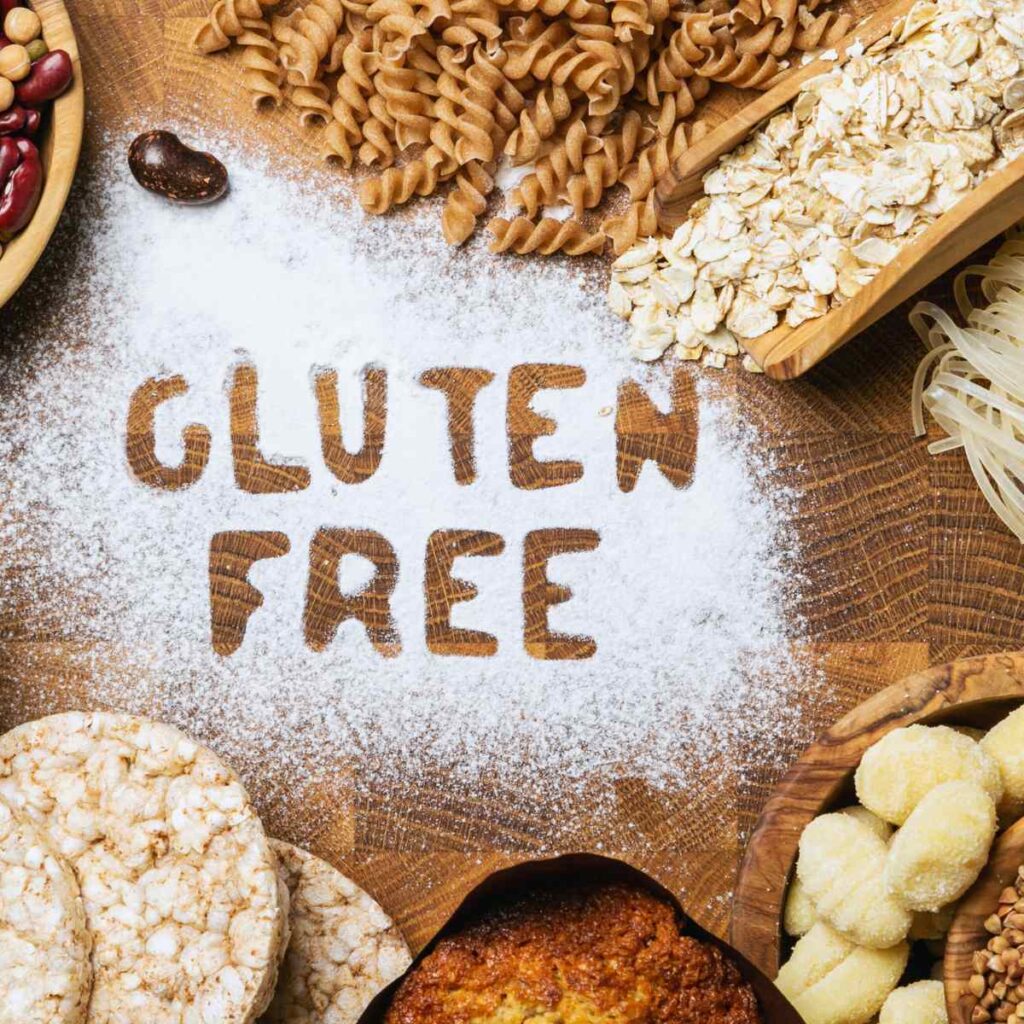
Food intolerances occur when the body can’t properly process or digest certain foods. The most common is lactose intolerance; as we age, we produce less lactase, causing lactose to build up in the digestive tract. Other common intolerances include caffeine, gluten, and salicylates. Many people experience bloating, gas, diarrhea, and similar digestive symptoms as a result.
Food sensitivities can be challenging to identify. They can cause a wide range of symptoms—from joint pain and fatigue to rashes and brain fog—that are often hard to pinpoint. Unlike allergies, which trigger immediate reactions, sensitivities may appear 24–72 hours after eating certain foods and often depend on how much of the food is consumed.
Food Allergies: Reading labels is essential for safety. Nutrition education for you and your family is critical when someone is dealing with an allergy. Our pediatric nutrition specialist can help you and your child manage social events (the dreaded birthday parties) and restaurant eating.
Always check food and cosmetic labels every time you buy, since companies can change ingredients without warning.
Food Intolerances: The most reliable method to manage food intolerance is through a medically-supervised elimination diet. We can guide you through elimination and reintroduction. Oftentimes with food intolerance, complete elimination is not necessary.
Food Sensitivities: We use advanced testing, such as the Gut Zoomer, to identify harmful bacteria or viruses, and may also use food sensitivity tests like the Pinnertest to find trigger foods.
With this information, we design a personalized nutrition plan that removes problem foods while still meeting all your nutrient needs—helping you heal without fear or unnecessary restriction.
*All of these diets require the elimination of some foods. A dietitian can ensure you receive the necessary nutrients and calories and can help you avoid disordered eating.

Sometimes the cause of food sensitivity isn’t the food itself. Your body may be responding to a bacterial or “hidden” viral infection, or conditions like small intestinal bacterial overgrowth (SIBO). As functional dietitians, we focus on understanding the root cause of symptoms, which is why we often begin with the Gut Zoomer test. It’s one of the most comprehensive digestive health tests available, assessing bacteria, yeast, viruses, and parasites in the gut microbiome, along with key digestive and inflammatory markers, and evaluating hundreds of microbial species at once.

The Gut Zoomer sensitivity test is a stool test that evaluates bacteria, yeast, viruses, and parasites in the gut microbiome, along with key digestive and inflammatory markers. It measures hundreds of microbial species at once and is currently one of the most comprehensive digestive health tests available.
As functional dietitian nutritionists, we always ask why. This test helps uncover the root cause of symptoms so we can tailor nutrition interventions that truly help you feel better. It may be helpful if you experience:
Autoimmune conditions • Inflammatory Bowel Disease (Crohn’s, ulcerative colitis) • Irritable Bowel Syndrome (IBS) • Celiac disease • Cardiovascular disease • Metabolic syndrome • Diabetes • Liver or gallbladder issues • Neurological concerns • Mood changes • Skin rashes (eczema, dermatitis) • Inflammation • SIBO • Fatigue • Gas and bloating • Indigestion • Infections • Intestinal permeability (“leaky gut”) • Nutrient deficiencies • Food sensitivities • Malnutrition
The Pinnertest food sensitivity test is a simple finger-prick test that identifies which foods or chemicals your body reacts to—whether highly, moderately, or not at all. Working with one of our Registered Dietitians, you’ll receive a personalized nutrition plan that reduces or removes problem foods while supporting your overall health. With guided nutrition therapy, you can feel confident in your food choices again.
Functional nutrition focuses on understanding why symptoms happen so we can treat the root cause, not just manage discomfort. This test may help if you experience:
Weight gain • Chronic fatigue or tiredness • Migraines and headaches • Bloating or swelling • Joint pain • IBS symptoms • Skin problems


Boston Nutritionist counts on over 25 Certified Nutritionists, Registered Dietitians, nurse practitioners, and therapists with diverse experience and backgrounds. We are proud to provide our patients with multi-lingual nutrition services (English & Spanish). You’ll be paired with one of the expert nutrition therapists on our team that best fits your needs, to help you reach your goals. Here are just a few of our team members. (Learn more about us here.)
RDN: Registered Dietitian Nutritionist – MS: Masters of Science – MHS: Masters of Health Sciences – CDN: Certified Dietitian Nutritionist – CNSC: Certified Nutrition Support Clinician – LDN: Licensed Dietitian Nutritionist – MSN: Master of Science in Nursing – APRN: Advance Practice Registered Nurse – FNP-BC: Family Nurse Practitioner, Board Certified – DNP: Doctor of Nursing Practice – LCSW: Licensed Clinical Social Worker


We focus on improvements that impact your daily life — not just numbers on a chart.
At Boston Nutritionist, we believe good nutrition is a human right and essential to health. We provide compassionate, evidence-based care for individuals managing food allergies, sensitivities, and intolerances, using a holistic, functional nutrition approach. Here’s what you can expect:
• Less stress and confusion around food
• Clear, practical meal guidance
• Science-backed strategies to support healing
• Collaboration with your medical providers
• Reduced symptoms and improved quality of life
You’ll work with an RDN who turns trusted science into realistic, sustainable nutrition habits.
One on-one support on your schedule, in the comfort of your own space

Make an appointment.
You will be paired with one of our expert Dietitian-Nutritionists that’s the perfect fit for your needs. Contact us either online or by phone. We’ll check your coverage for you!

Meet with your personal nutrition expert.
One-on-one counseling. In person or virtual appointments. Flexible scheduling (evenings, early hours).

Take control of your life.
Implement your individualized nutrition plan. Get the tools you need to live a healthier, more vital life.


Many claim to be a nutritionist. But only a Registered Dietitian Nutritionist (RDN) meets rigorous academic requirements with clinical training, holding a degree from an accredited university. Our RDNs stay informed of guidelines set by the Academy of Nutrition and Dietetics to provide our patients with expert nutrition counseling.




bostonnutritionist.net has partnered with NY Nutrition Group
We proudly offer nutrition counseling in Spanish
© Copyright 2025 bostonnutritionist.net
Personality:
Erica is a very warm, friendly, approachable practitioner. She creates a welcoming, comfortable, non judgemental environment for her clients. She understands that in order to make lasting changes, goals and habits need to be client centered and truly fit into their lifestyle.
Background:
Erica Gittleson is a functional Registered Dietitian in NYC with 15 years of experience. She has a Bachelor of Science in Nutrition from Syracuse University, after which she completed a postgraduate Dietetic Internship and received an Advanced Graduate Certificate from State University of New York at Buffalo. Erica also trained at the Integrative and Functional Nutrition Academy. She has personal experience with integrative and functional nutrition, and knows what it’s like to be in your shoes. Erica also attends conferences and mentors nutrition students. Her mission is to help each one of her clients not only manage their health but to thrive and enjoy life!
Counseling Philosophy:
Erica believes that the body has an innate ability to heal itself with the proper nutrition, lifestyle and behavioral changes. She truly believes in a “food as medicine” approach. Erica taps into her motivational interviewing skills to help people understand the obstacles to achieving optimal health. She is passionate about integrative and functional nutrition as well as weight management and diabetes.
Specialties:
Functional Nutrition, Gastrointestinal Issues, (SIBO, IBS, GERD, Colitis, Food Allergies/Sensitivities, etc), Autoimmunity, Hormonal Disorders (PCOS, irregular periods, hypo/hyperthyroidism), Healthy Weight Loss/Management, Diabetes/Pre-Diabetes, Heart Health (Cholesterol, Blood Pressure, etc)
Interests:
When Erica is not counseling clients, walking in central park, or cooking up something delicious, she is spending time with her amazing friends and family. She loves being active, playing tennis, going to the infrared sauna, live music and comedy!
Follow her on instagram @healthyourself360 where she frequently posts quick and easy meals/recipes!
Personality
Sinem brings a naturally compassionate approach to nutritional therapy, combining her innate empathy with evidence-based expertise. As an attentive listener, she creates a space where clients feel truly heard and understood, acknowledging their unique circumstances and individual needs. Her personalized nutrition plans are thoughtfully designed to integrate seamlessly into diverse lifestyles, ensuring that each program is not only effective but also realistic, achievable, and sustainable for long-term wellness.
Background
Sinem Gunes is a functional Registered Dietitian in NYC. Her journey to nutrition began with academic excellence, earning her BS in Economics as the valedictorian of her class. However, her professional experience revealed a deeper calling beyond economics. Following her passion, she completed her MS in Nutrition at CUNY Hunter College with distinguished honors, receiving both the prestigious Irene Von Cseh Award and Academic Excellence Certificate for her outstanding academic achievements.
Her clinical foundation was established during a highly competitive internship at North Shore University Hospital (Northwell Health), where she developed expertise in therapeutic nutrition interventions. Sinem then refined her clinical skills as a practicing dietitian at both Hebrew Home at Riverdale and Lenox Hill Hospital, where she provided nutritional care across diverse patient populations and medical conditions.
This rich clinical background informs her current holistic practice, enhanced by extensive training in functional nutrition, mindfulness-based eating approaches, yoga, meditation, and breathwork techniques. Sinem approaches each client as a unique case, applying both clinical assessment skills and comprehensive laboratory analysis to identify root causes rather than simply addressing symptoms. Her approach integrates diagnostic tools with evidence-based holistic strategies to create personalized wellness plans that truly resonate with each individual’s goals and needs.
Specialties
Sinem specializes in optimizing digestive wellness, with particular expertise in:
Affiliations
Interests
Sinem embraces wellness as both profession and lifestyle. She delights in developing specialty recipes for diverse dietary needs, with particular passion for creating flavorful fermented foods that accommodate restrictions without compromising taste. As a certified yoga instructor, she incorporates movement practices into both her personal routine and client recommendations for stress management, immune regulation, and physical wellness. Her interest in holistic approaches extends to aromatherapy, where she creates custom essential oil blends for mood enhancement and emotional balance. Always pursuing continued education, she remains at the forefront of nutritional science through regular engagement with industry podcasts and literature.
Personality:
Maggie is a compassionate dietitian who believes deeply in the healing potential of food and the importance of a mind-body approach to wellness. Known for her calming presence, Maggie fosters a safe, welcoming space where clients feel truly seen, heard, and supported.
Background:
Maggie Milone is a Registered Dietitian in NYC who has over 15 years of experience in medical nutrition therapy and community health. She earned her Bachelor of Science in Nutrition and Dietetics from Syracuse University and holds a Master of Public Health Nutrition from CUNY Hunter College, where she also completed her dietetic internship. Maggie blends evidence-based guidance with a deeply compassionate approach. Her own journey with body image and poor eating behaviors led her to the practices of mindful and intuitive eating. She now uses these techniques to help others heal.
Specialties:
Weight Loss and Management, Disordered Eating, Emotional Eating, Mindful and Intuitive Eating, Child Nutrition (infant/toddler feeding, intro to solids, healthy weight gain/growth, allergies), Adolescent Nutrition (weight management, growth, nutrient deficiencies, picky eating), Gut and Digestive Health (IBS, GERD, Acid Reflux), Cardiovascular Health (Hypertension, Hyperlipidemia), Women’s Health (Hormone Balance, PCOS), General Healthy Eating
Counseling philosophy:
Maggie believes in an empathetic, integrative approach to nutrition that honors the connection between food, body, and mind. She supports clients in making realistic, sustainable changes that align with their unique needs and lifestyle through empowerment and education. Rooted in the principles of “food as medicine” and a non-diet philosophy, her work emphasizes mindfulness, self-compassion, and body trust. Maggie’s goal is to help each individual reach their health goals while cultivating a balanced relationship with food.
Personal interests:
Maggie’s favorite places are the yoga studio, the beach and her kitchen. She is her happiest when moving through yoga asanas, soaking up the sun or dancing around her kitchen experimenting with different baking recipes.
Personality:
Laura works hard to create a calm and nurturing environment. She has a positive, encouraging attitude and a warm and welcoming demeanor. Her gentle, open-minded approach make her clients feel safe and understood.
Background:
Laura is a Registered Dietitian in NYC with eight years of experience. She earned her Masters in Nutrition and Food Science with an emphasis on Nutrition Education from Montclair State University and then completed her dietetic internship with a specialty in worksite wellness as Wellness Workdays. She then worked at WIC, where she provided nutrition counseling and education to pregnant patients and young children. During her time at WIC she developed a passion for fertility, pregnancy, and early childhood nutrition. She was able to further develop that passion over the past five years as she has led the outpatient nutrition counseling program at CarePoint-Hoboken University Medical Center. During her time at CarePoint she has gained experience counseling on a variety of disease states and nutrition issues. In addition to the outpatient program, she was also a member of the clinical in-patient team. At CarePoint, she also had the role of community dietitian where she gave nutrition presentations and cooking demonstrations at community events and universities.
Specialties:
Diabetes/Pre-diabetes/Gestational Diabetes, Heart Health, Weight Management, Pregnancy and Fertility Nutrition, Disordered Eating, Pediatrics, Picky Eating
Counseling Philosophy:
Laura takes a holistic approach and believes that nutrition counseling should be individualized and that there is no one size fits all approach. She believes that all foods can find a place in a healthful diet and that our eating patterns should be nourishing and not restrictive. Her goal is to help clients learn to understand and trust their body. She aims to help clients create sustainable change to reach their goals and encourages connecting our nutrition choices to our overall health and wellbeing. She strives to help people create a healthy relationship with food and a healthy relationship with their body.
Personal Interests:
Laura enjoys going on adventures with her husband and two young daughters, whether that is traveling around the globe, hiking at a local park, or checking out a new museum exhibit. She loves shopping at her local farmers market and trying new recipes to share with family and friends.
Personality:
Dara’s clients often describe her as warm, approachable, and deeply empathetic. She has a gift for making nutrition conversations feel collaborative and supportive rather than prescriptive. Her goal is to create a space where clients feel truly heard, understood, and empowered to make sustainable changes that align with their personal values and lifestyles.
Background:
Dara is a Registered Dietitian Nutritionist in NYC with extensive experience in private practice settings. She has developed a unique specialty in bridging the gap between functional nutrition and disordered eating—helping clients address root causes and optimize health while maintaining a food-positive, non-restrictive approach. Her work is rooted in an anti-diet philosophy and guided by a trauma-informed lens, ensuring that care is not only effective but also compassionate and safe for clients with complex histories.
Specialties:
Functional Nutrition, Hormonal Health (including PCOS, endometriosis, and all stages of menopause), Gastrointestinal Disorders (IBS, IBD, GERD, bloating), Disordered Eating & Eating Disorder Recovery, Chronic & Autoimmune Conditions, Anti-Diet & Intuitive Eating, Food Allergies, Metabolic Support, and General Wellness.
Counseling Philosophy:
Dara believes that nutrition is never one-size-fits-all. Her sessions take a whole-person approach, considering not just diet but also sleep, stress, movement, and emotional well-being. She emphasizes a food-positive, non-restrictive philosophy—encouraging clients to focus on what they can add to their plate rather than what they “should” take away. She blends evidence-based medical nutrition therapy with functional strategies to address root causes and support lasting health.
Affiliations:
Dara is an active member of the Academy of Nutrition and Dietetics and Dietitians in Integrative and Functional Medicine (DIFM). She is also a 200-hour certified yoga instructor.
Personal Interests:
Outside of work, Dara enjoys cooking, exploring new restaurants, and experimenting with seasonal recipes. She loves spending time at the beach in her hometown of Long Branch, NJ, practicing yoga, and connecting with friends and family—especially over a delicious meal.
Personality:
Clara brings a warm and compassionate approach to her work, creating a judgment-free space where clients feel comfortable sharing their goals and challenges. Her style is professional yet approachable, blending empathy with evidence-based guidance to support each person’s unique journey. Clara values open communication, active listening, and meeting clients exactly where they are, so they feel encouraged and supported every step of the way.
Background:
Clara earned her Bachelor’s degree in Nutrition and Food Studies from New York University (NYU). Following graduation, she completed her dietetic internship at Vanderbilt University Medical Center in Nashville, TN. She is currently pursuing a Master’s degree in Nutrition Education at American University in Washington, DC. Clara has worked in both clinical and outpatient settings, but finds her greatest fulfillment in the counseling environment, where she thrives in helping clients make meaningful, sustainable changes.
Specialties:
Weight Loss and Management (including GLP-1 use), Hormonal Health (including PCOS, endometriosis, and all stages of menopause), Anti-Diet & Intuitive Eating, Cardiovascular Health (including elevated blood pressure and high cholesterol), and General Wellness.
Counseling Philosophy:
Clara’s approach to care is rooted in compassion, collaboration, and evidence-based practice. She believes nutrition counseling works best when personalized—there’s no one-size-fits-all plan. Clara takes time to understand each client’s health history, lifestyle, preferences, and goals, then develops practical, sustainable strategies for success. While experienced in weight management, Clara does not focus solely on the scale. She emphasizes overall health, sustainable habits, and how clients feel—physically and mentally—throughout their journey. Progress is measured by improvements in energy, strength, lab values, relationship with food, and quality of life. Clara creates a supportive, judgment-free space where clients feel heard and empowered. Whether supporting metabolic health, women’s health, or managing heart conditions, her goal is to equip clients with the tools and confidence for lifelong wellness.
Personality:
Rebecca is known by her clients for being approachable, compassionate, and deeply trustworthy. Her warm demeanor, paired with an honest and encouraging communication style, helps clients feel comfortable, confident, and fully supported throughout their journey together.
Background:
Rebecca is a Registered Dietitian Nutritionist based in New York. She holds a master’s degree in Clinical Nutrition from Columbia University and completed her Dietetic Internship at Brigham and Women’s Hospital, a leading academic medical center affiliated with Harvard Medical School. She went on to specialize in oncology nutrition at Mount Sinai Hospital in New York City, where she spent three years developing a nuanced understanding of the complex relationship between nutrition, lifestyle, and health outcomes. Today, Rebecca works exclusively with clients one-on-one, guiding them toward a wide range of nutrition and wellness goals through a personalized, evidence-based approach. In addition to her nutrition practice, she is a passionate Pilates instructor who draws on her experience with the reformer to help clients cultivate a strong mind-body connection and build sustainable, holistic habits.
Specialties:
Healthy weight loss, weight management, mindful and intuitive eating, disordered and emotional eating, healing relationships with food and body, diabetes, cardiovascular disease (high blood pressure, high cholesterol), IBS, Insulin Resistance/Polycystic Ovary Syndrome (PCOS), pre and postnatal health, menopause
Counseling Philosophy:
Blending clinical expertise with a holistic approach, Rebecca empowers individuals to achieve lasting health and well-being. She provides personalized nutrition counseling, taking the time to understand each patient’s medical history, lifestyle, and preferences to help them cultivate sustainable habits, enhance their quality of life, and feel their best—inside and out.
Affiliations:
Rebecca is an active member of the Academy of Nutrition and Dietetics (AND) and the Greater New York Dietetic Association.
Personal Interests:
Outside of work, Rebecca enjoys traveling, reading, and spending time with her new nephew. She also teaches Pilates across the city and loves experimenting with new recipes in the kitchen.
Personality:
Adreena is a dedicated healthcare professional known for her personable demeanor and her ability to form genuine connections with her patients. With a strong emphasis on active listening, she creates a welcoming environment where patients feel comfortable sharing their concerns and needs. This approach not only fosters trust but also enables her to gather essential insights into each individual’s unique circumstances.
Background:
Adreena is a Family Nurse Practitioner and Functional Medicine Provider in NYC who is constantly enthralled with education and learning. She has a collection of four degrees (and counting!) and several certificates. Adreena is also a distinguished health professional who holds a Master’s of Science in Nursing from LaSalle University and a Master’s of Science in Medical Cannabis Business & Science from Thomas Jefferson University.
With a wealth of expertise spanning emergency medicine, acute care, functional medicine and holistic health, Adreena is a versatile healthcare professional dedicated to providing personalized, integrative care. Her background allows her to deliver comprehensive and patient-centered solutions. Adreena’s approach and commitment to staying at the forefront of medical advancements make her an invaluable asset to any healthcare team.
Specialties:
Family Medicine, Functional Medicine, Holistic Nutrition, Clinical Nutrition, Food Science, Chemistry, Geriatric Nutrition, Sports Nutrition, Renal Nutrition, Weight Management, Pregnancy, Endocrine Disorders, Cardiovascular Disorders, Gastrointestinal Disorders, Eating Disorders, Pediatric Nutrition, Medical Cannabis
Counseling Philosophy:
Having cultivated an abundance of knowledge in her field, Adreena consistently demonstrates her expertise through her calm and composed presence. She understands the complexities of healthcare and meticulously employs critical thinking skills to ensure that no detail is overlooked in her patient care. Her attention to detail enables her to assess situations from multiple angles, allowing for informed decision-making that benefits her patients significantly.
As an open communicator, Adreena excels in conveying complex medical information in an easily understandable manner. Her compassionate and empathetic nature ensures that patients feel heard and valued, which in turn enhances their overall healthcare experience. She believes in the power of individualized care, taking the time to understand each patient’s unique background, preferences, and needs. By tailoring her approach, she strives to empower her patients and support them on their journey to health and wellness.
Affiliations:
Adreena is an active member of the The American Association of Nurse Practitioners (AANP) and Sigma Theta Tau – International Honor Society of Nursing, exhibiting professional excellence and integrity as a valuable member of a community of nurse leaders from around the world.
Personal Interests:
When Adreena is not focusing on her patient’s health and well-being she is focused on her own. She has a HUGE passion for food and her culinary prowess knows no bounds, from decadent baked goods to bold Cajun flavors and fresh, vibrant vegan dishes. She is also passionate about juicing, stemming from a deep appreciation for its transformative power, via the supercharged nutrients to enhance health and wellness. When she’s not in the kitchen, you can find Adreena flowing through the movements of hot yoga and Pilates, fueling her mind-body connection.aki, LCSW attended Adelphi University in Garden City, NY where she received her MSW degree. She also earned her BA degree in Health & Human Services and has 19 years of clinical experience working with medical issues/chronic health conditions, community mental health centers, substance abuse, eating disorders, trauma and crime victims.
Counseling Philosophy:
Annette has an eclectic approach to psychotherapy: she does not believe in one-size-fits-all. Instead, she combines various modalities and techniques for a truly customized treatment plan. These can include CBT, DBT, and a trauma-informed lens to meet the client where they are.
Specialties:
Anxiety, depression, chronic health conditions, spiritual, disordered eating/eating disorders, life transitions, grief and relationship issues.
Interests:
Her hobbies include reading, spending time with family, friends and pets, traveling, yoga and
meditation.
Personality:
Ashley’s patients would describe her as down-to-earth and easy to talk to. She combines her stellar background and training with her innate ability to think outside the box to help her patients dive deep into root causes and find real solutions.
Background:
Ashley Mele, FNP, is a Board-Certified Family Nurse Practitioner. She graduated from Sacred Heart University in 2011 and Wagner College’s Family Nurse Practitioner Program in 2018. She has completed courses in functional medicine through the Institute for Functional Medicine, to pursue her passion of healing her patients naturally. She has been working in the medical field for 12 years and has experience in treating a variety of conditions.
Specialties:
weight management/loss
hormonal disorders
autoimmune disorders
gut imbalances
anxiety/depression
metabolic disorders
Lisa is the founder and lead RD at the practice. Her goal is to bring together a diverse, experienced, and qualified group of nutrition and medical specialists to provide the best possible care for patients not only in New York but around the country. Founder of The NY Nutrition Group in 2013, and recently published author of The Core 3 Healthy Eating Plan, Lisa has over a decade of experience in medical nutrition therapy. She’s passionate about functional nutrition and fertility. Because of her experience struggling with fertility, she understands what that rollercoaster of starting, adding to, or completing a family is like. She loves helping patients reach their wellness goals through meaningful nutrition counseling.
Specialties:
Fertility/Infertility Nutrition, Pre & Post-Natal Nutrition, Eating Disorders/Disordered Eating, Hormonal Disorders (PCOS, irregular periods, hypo/hyperthyroidism, peri/post-menopause), Functional Nutrition, Intuitive Eating/Healthy Relationship with Food, Healthy Weight Loss/Management, Sports Nutrition, Gastrointestinal Issues, (SIBO, IBS, reflux, Colitis, Etc), Diabetes/Pre-Diabetes, Heart Health (Cholesterol, Blood Pressure, etc),
Follow her on instagram @lisamnutrition where she shares tips and tricks to form healthier habits.